
Spironolactone giving blood
2026-03-17Get the most out of your donation with Spironolactone!
Spironolactone is a medication that can help you donate blood more efficiently. Whether you're a regular donor or it's your first time, Spironolactone can make your donation experience smoother and more effective.
Ask your healthcare provider about how Spironolactone can enhance your blood donation process today!
Overview of Spironolactone
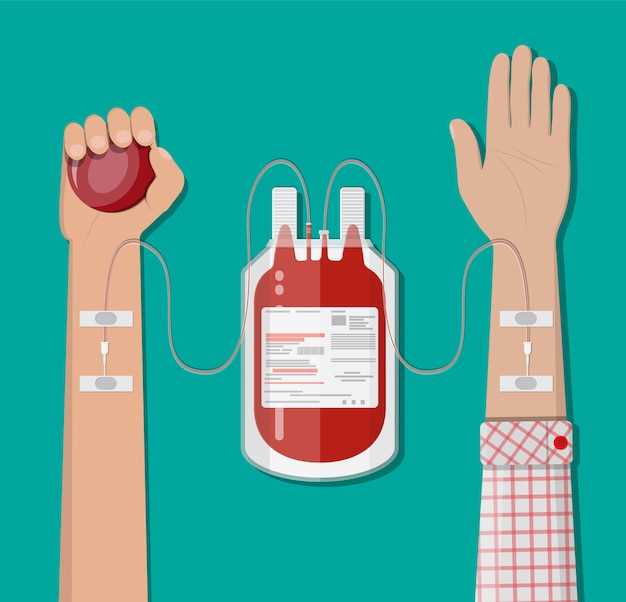
Spironolactone is a medication that is commonly used to treat conditions such as high blood pressure, heart failure, and edema. It works by blocking the effects of a hormone called aldosterone, which helps to regulate the balance of fluids and electrolytes in the body.
Spironolactone is known as a diuretic, which means that it helps the body to get rid of excess salt and water through the urine. This can be beneficial for individuals who are retaining fluid due to conditions such as heart failure or kidney disease.
It is important to follow your healthcare provider's instructions when taking spironolactone, as the dosage and frequency of the medication can vary depending on the condition being treated. It is also important to be aware of any potential side effects or interactions with other medications.
If you have questions about spironolactone or how it may affect your ability to donate blood, be sure to talk to your healthcare provider before making a donation.
Benefits of Donating Blood
Donating blood is a selfless act that can save lives and improve the health of the donor. Some of the key benefits of donating blood include:
- Helping Others: Donating blood can provide a critical lifeline to patients in need of blood transfusions, especially those undergoing surgeries, chemotherapy, or suffering from conditions like anemia.
- Health Check: Before donating blood, donors undergo a screening process that includes checking vital signs, hemoglobin levels, and testing for infectious diseases. This process can help donors identify potential health issues and receive medical guidance.
- Reducing Iron Levels: Regular blood donation can help reduce the body's iron levels, which can lower the risk of heart disease and reduce the risk of developing certain cancers.
- Community Support: Blood donation plays a crucial role in supporting the community during emergencies, natural disasters, and other healthcare crises. By donating blood, donors contribute to the overall well-being and safety of the community.
Benefits of Donating Blood
Donating blood can have a positive impact on both the donor and the recipient. Here are some key benefits of donating blood:
1. Saves Lives
One of the most significant benefits of donating blood is that it can save lives. Blood transfusions are crucial for patients who have experienced trauma or have medical conditions that require regular blood transfusions.
2. Health Benefits for Donors
Donating blood has been shown to have health benefits for donors. It can help reduce the risk of certain health conditions, such as heart disease, by lowering the levels of iron in the blood. Regular blood donation can also stimulate the production of new blood cells, which can improve overall health.
Overall, donating blood is a simple yet impactful way to make a difference in the lives of others while also benefiting your own health.
Preparation Before Donation
Before donating blood, it is important to follow these guidelines to ensure a successful donation process and the safety of both the donor and the recipient:
| 1. Hydrate: Drink plenty of water before donating blood to stay hydrated. |
| 2. Eat Well: Have a healthy meal before donation to maintain blood sugar levels. |
| 3. Get Adequate Rest: Ensure you have had enough rest and sleep before donation. |
| 4. Avoid Alcohol: Refrain from consuming alcohol for at least 24 hours before donation. |
| 5. Check Eligibility: Make sure you meet the eligibility criteria for blood donation. |
| 6. Bring Identification: Bring a valid ID with you to the donation center for verification. |
By following these preparation guidelines, you can help make the blood donation process smooth and successful.
Guidelines for Donors
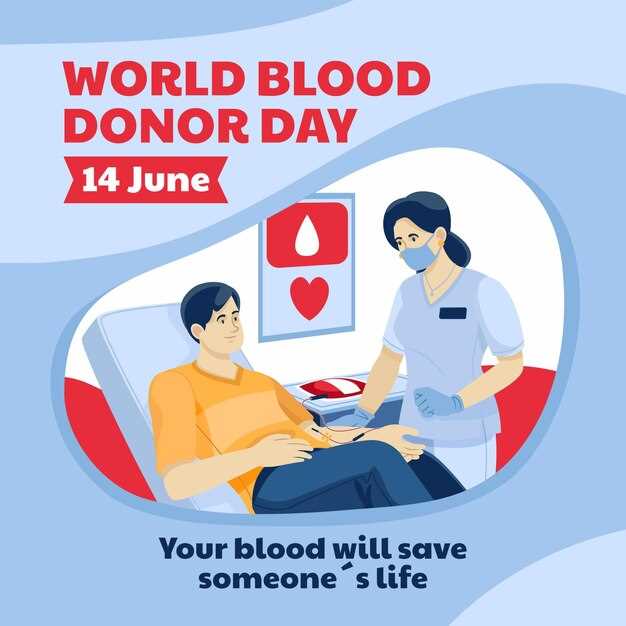
As a donor, it is important to follow these guidelines before and after donating blood:
- Make sure you are well-hydrated before donation.
- Eat a healthy, balanced meal before donating.
- Avoid fatty foods before donation as they can affect the tests performed on your blood.
- Get a good night's sleep before donating.
- Avoid alcohol consumption the night before donation.
- Inform the staff if you are taking any medications.
- Listen to and follow the instructions provided by the healthcare professionals during the donation process.
- After donation, rest for at least 10-15 minutes and have a light snack and drink to help your body recover.
- Avoid strenuous physical activity for the rest of the day.
- If you experience any unusual symptoms after donation, contact the blood donation center immediately.
Side Effects and Risks
While donating blood can be a safe and rewarding experience, there are some potential side effects and risks to be aware of. Here are some common side effects that donors may experience:
1. Bruising or soreness at the needle site: This is a common side effect that usually goes away on its own. Applying a cold pack to the area can help reduce discomfort.
2. Feeling lightheaded or dizzy: Some donors may feel faint or dizzy during or after donation. It's important to sit or lie down and raise your legs if you start to feel lightheaded.
3. Nausea or vomiting: While rare, some donors may feel nauseous or vomit after donating blood. It's important to inform the staff if you start to feel unwell.
4. Fatigue: Some donors may feel tired or fatigued after donating blood. It's important to rest and stay hydrated to help your body recover.
5. Allergic reactions: In rare cases, donors may have an allergic reaction to the needle or donor materials. If you have a known allergy, make sure to inform the staff before donating.
It's important to follow post-donation care instructions and monitor your symptoms after donating blood. If you experience severe or persistent side effects, seek medical attention immediately. Your health and well-being are our top priorities.
Post-Donation Care
After donating blood while taking Spironolactone, it is important to follow some post-donation care tips to ensure a quick and smooth recovery. Here are some guidelines:
Rest and Hydrate
- Rest for at least 15 minutes after donation to prevent dizziness or lightheadedness.
- Drink plenty of fluids, especially water, to stay hydrated and help your body replenish the lost fluids.
Eat Nutritious Foods
- Consume iron-rich foods such as leafy greens, red meat, and fortified cereals to help your body replenish the lost iron from donation.
- Include vitamin C-rich foods like citrus fruits to aid in iron absorption.
It is also important to avoid strenuous activities or heavy lifting for a few hours after donation to prevent any complications. If you experience any unusual symptoms or side effects, contact your healthcare provider immediately.